
EDUCATION18 Mei 2026
The Four Peptide Categories Every Biohacker Should Understand
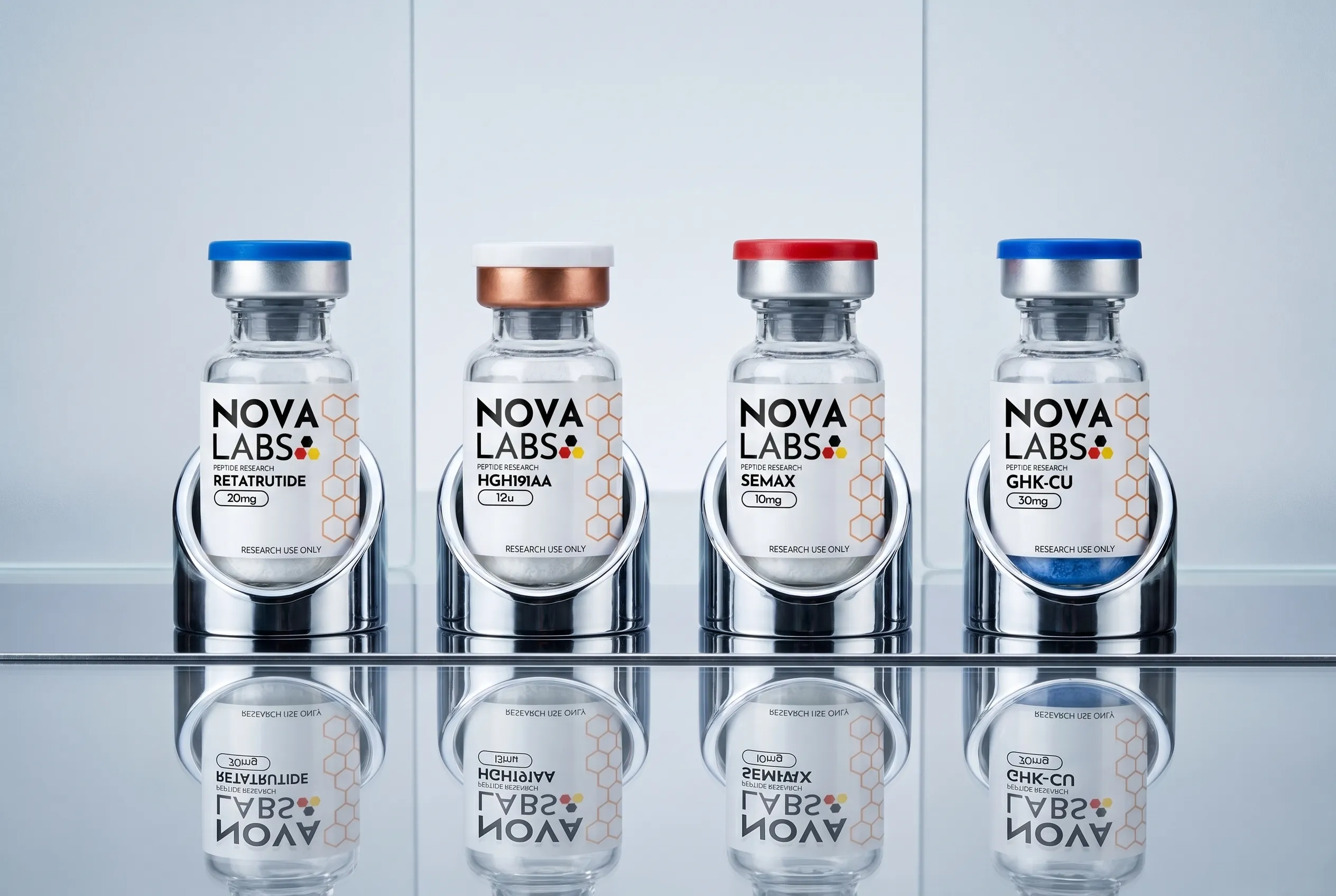
Short description: Breaks down metabolic, regenerative, cognitive, and longevity-focused peptides so users can understand which protocol fits their goal.
A peptide protocol becomes easier to understand when compounds are grouped by purpose. The four categories every biohacker should understand are metabolic, regenerative, cognitive, and longevity-focused peptides. These categories are not perfect walls, because some compounds overlap, but they give users a practical map before building a protocol.
Metabolic peptides are studied for appetite regulation, glucose control, insulin sensitivity, energy expenditure, and body composition. Retatrutide is a useful example because it is researched through multiple receptor pathways associated with metabolic control. Someone focused on body recomposition should begin here, not with a recovery or skin protocol.
Regenerative peptides are studied through repair pathways. BPC-157, TB-500, GHK-Cu, AHK-Cu, and certain blends are commonly discussed in relation to tissue repair, collagen signaling, angiogenesis, inflammation modulation, and recovery. These compounds are most relevant when the primary goal is injury support, tissue quality, skin integrity, or structural recovery.
Cognitive peptides are studied for focus, stress response, neuroplasticity, and mental resilience. Compounds in this group are usually evaluated through effects on signaling systems related to memory, calm, attention, or brain-derived neurotrophic factors. The key is to distinguish cognitive support from stimulation. A good cognitive protocol should improve clarity without creating dependency on constant stimulation.
Longevity-focused compounds sit closer to cellular energy and age-related decline. NAD+ and MOTS-C are commonly discussed because they relate to mitochondrial function, energy metabolism, and repair pathways. These protocols are less about a quick visible change and more about improving the biological foundation that supports everything else.
The mistake many users make is stacking across categories without a priority. A better method is to choose the dominant goal first. If the goal is fat loss, start metabolic. If the goal is tendon recovery, start regenerative. If the goal is energy and aging, start cellular health. Specific goals produce cleaner protocols and clearer feedback.